Automation Solutions that Improve Workflows in U.S. Healthcare

Doctors and nurses working together in a hospital
Healthcare institutions across the United States are facing unprecedented operational pressure. Rising patient volumes, workforce shortages, administrative complexity, and evolving patient expectations are forcing hospitals, clinics, and healthcare systems to rethink how they operate.
At the same time, healthcare providers are expected to deliver faster, safer, and more personalized care while maintaining strict regulatory compliance and controlling costs. To meet these demands, many healthcare organizations are turning to automation solutions to improve workflows and streamline operations.
Automation is transforming how healthcare institutions manage both administrative and clinical processes. From patient scheduling and documentation to billing and care coordination, automated systems help eliminate repetitive tasks, reduce human error, and improve efficiency across departments.
Rather than replacing healthcare professionals, automation enhances their ability to deliver high-quality care by reducing the operational burdens that often consume valuable time and resources. As healthcare continues to evolve, automation is becoming a foundational component of modern healthcare operations rather than a supplemental technology investment.
Why Workflow Efficiency Matters in Healthcare
Efficient workflows are critical in healthcare environments where delays, inaccuracies, or communication breakdowns can directly impact patient outcomes. Healthcare institutions manage large volumes of information and coordinate activities across multiple departments every day.
Even small inefficiencies can create bottlenecks that affect scheduling, treatment timelines, billing accuracy, and patient satisfaction. Over time, these workflow disruptions can increase operational costs, slow decision-making, and place additional strain on already overburdened healthcare staff.
Many healthcare organizations still rely on outdated manual workflows that slow operations and increase administrative strain. Staff often spend hours managing repetitive tasks such as appointment confirmations, insurance verification, claims processing, data entry, and documentation. These responsibilities not only reduce productivity but also contribute significantly to employee burnout.
Automation helps address these challenges by creating more consistent and streamlined workflows. Automated systems can process information faster, reduce administrative delays, and improve coordination between departments.
According to recent industry research, healthcare automation can improve administrative workflow efficiency by 30 to 45%, allowing organizations to reduce operational friction while improving service delivery.
As patient expectations continue to rise, healthcare institutions that invest in workflow automation are better positioned to deliver timely, accurate, and efficient care experiences. These organizations are also more capable of adapting to growing operational demands while maintaining consistency and quality across every stage of patient care.
Automated Scheduling and Digital Patient Intake
Patient scheduling and intake are among the most common areas where healthcare institutions implement automation. Traditional scheduling systems often rely on manual coordination, phone calls, and repetitive administrative work that can lead to delays, no-shows, and scheduling conflicts.
Automation simplifies this process through digital scheduling platforms that allow patients to book appointments online, receive automated reminders, and manage appointments more conveniently. These systems can also optimize scheduling workflows by identifying open time slots, managing waitlists, and reducing gaps in provider schedules.
Automated intake systems further improve efficiency by allowing patients to complete forms electronically before appointments. Information is automatically transferred into electronic health record systems, reducing manual data entry and minimizing errors.
These improvements not only save administrative time but also create a smoother experience for patients. Faster scheduling, shorter wait times, and improved communication contribute to greater patient satisfaction and more efficient clinical operations.
Robotic Process Automation for Administrative Workflows
Administrative tasks represent one of the largest operational challenges for healthcare institutions. Documentation, insurance verification, prior authorizations, claims management, and compliance reporting consume significant amounts of staff time every day.
Automation solutions help reduce these burdens by handling repetitive, rules-based tasks more efficiently. Robotic process automation (RPA), for example, can automate insurance eligibility checks, claims submissions, payment processing, and patient billing workflows without requiring extensive manual oversight.
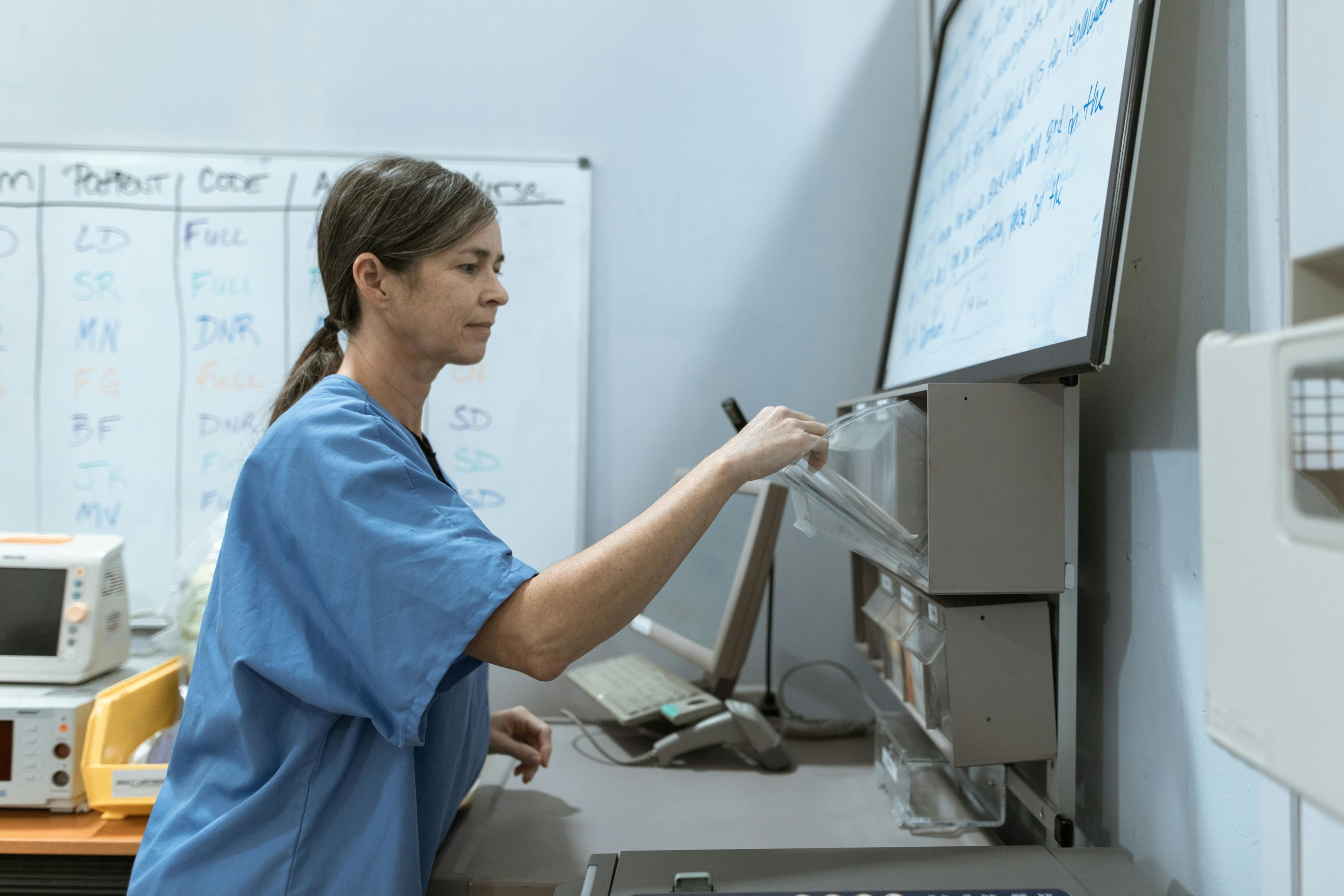
Healthcare organizations implementing workflow automation often report substantial reductions in administrative workload and processing time. Automation also improves consistency by ensuring that processes are completed according to predefined rules and compliance standards.
Reducing administrative strain is especially important in today’s healthcare environment, where staffing shortages and burnout continue to affect institutions across the country. By automating routine processes, healthcare professionals can focus more on patient care and less on paperwork.
AI-Powered Clinical Documentation Systems
Clinical documentation is another critical area where automation significantly improves workflows. Accurate documentation is essential for patient care, regulatory compliance, and reimbursement processes, but manual documentation can be time-consuming and prone to inconsistencies.
Automation tools powered by artificial intelligence and voice recognition technologies can capture clinical notes in real time, organize patient information, and structure documentation more efficiently. Ambient AI systems and automated transcription tools are increasingly being used to reduce the administrative burden associated with charting and record-keeping.
These technologies help clinicians spend less time typing and more time interacting directly with patients. Automated documentation systems also improve record accuracy by minimizing missed details and reducing the likelihood of manual entry errors.
As healthcare institutions continue to adopt electronic health records and digital workflows, documentation automation is becoming an essential tool for improving both efficiency and care quality.
Automated Patient Communication Platforms
Communication plays a central role in the patient experience. Delayed responses, missed updates, or inconsistent communication can create frustration and negatively affect patient trust.
Automation improves patient communication by enabling healthcare institutions to send appointment reminders, follow-up instructions, lab notifications, medication reminders, and billing updates automatically through email, text messaging, or patient portals.
Chatbots and virtual assistants are also becoming increasingly common in healthcare settings. These tools can answer common patient questions, assist with appointment scheduling, and provide basic support outside of regular office hours.
By improving responsiveness and accessibility, automation helps healthcare institutions maintain more consistent communication while reducing pressure on administrative staff. Patients benefit from quicker access to information and more convenient interactions throughout their care journey.
Revenue Cycle Automation and Claims Processing
Revenue cycle management is one of the most complex operational areas within healthcare institutions. Billing errors, denied claims, delayed reimbursements, and coding inaccuracies can significantly affect financial performance.
Automation solutions streamline revenue cycle workflows by handling tasks such as claims generation, insurance verification, coding validation, and payment tracking automatically. These systems reduce the risk of manual errors while accelerating reimbursement timelines.
Some healthcare organizations using AI-powered automation have reported processing improvements with accuracy rates reaching as high as 99.5% while significantly reducing documentation turnaround times.
Improved workflow efficiency in revenue cycle management not only supports financial stability but also reduces administrative rework and operational delays across departments.
Care Coordination and Workflow Routing Systems
Healthcare delivery often involves coordination between multiple departments, specialists, and care teams. Without efficient workflows, communication gaps and fragmented information can delay treatment and affect patient outcomes.
Automation helps improve care coordination by ensuring that information moves seamlessly between systems and departments. Automated alerts, task routing, and workflow triggers help staff stay informed about patient updates, test results, referrals, and treatment plans in real time.
Integrated systems also reduce the likelihood of duplicate work or missing information. When patient data is automatically updated across platforms, providers can make faster and more informed decisions. Improved coordination supports better continuity of care and helps healthcare institutions deliver more connected patient experiences.
Predictive Analytics to Improve Decision-Making
Automation is increasingly being combined with predictive analytics and artificial intelligence to improve operational and clinical decision-making. These technologies analyze large volumes of patient and operational data to identify patterns, forecast outcomes, and support proactive interventions.
For example, predictive systems can help healthcare institutions identify patients at risk for readmission, deterioration, or extended hospital stays. Automated alerts and recommendations allow care teams to intervene earlier and allocate resources more effectively.
Research has shown that predictive workflow systems can help reduce patient length of stay while improving discharge planning and operational efficiency across hospital networks. As predictive technologies continue to evolve, healthcare institutions will gain even greater visibility into operational performance and patient care needs.

Compliance Automation and Data Accuracy Tools
Healthcare institutions operate within highly regulated environments where accuracy and compliance are critical. Manual processes increase the risk of missing documentation, coding errors, or incomplete records that could result in compliance issues or financial penalties.
Automation helps standardize workflows and ensure that required processes are completed consistently. Automated audit trails, validation systems, and reporting tools improve transparency and reduce the likelihood of compliance gaps with HIPAA, GDPR, MACRA, and MACRA Advantage.
However, the legal implications of AI-generated treatment remains unsettled, so providers have to be careful in defining ownership of decision-making when integrating it in their automation initiatives. Are the recommendations from the clinicial, algorithm, or a shared modiel?
Data accuracy is equally important. Automated systems reduce manual entry errors and ensure that patient information is synchronized across platforms. This improves reliability and helps healthcare teams make more informed decisions based on accurate, up-to-date information.
Workflow Automation That Reduces Staff Burnout
Healthcare burnout has become one of the most pressing challenges facing U.S. healthcare institutions. Administrative overload, staffing shortages, and long working hours continue to affect clinicians, nurses, and support staff across the industry.
Automation helps alleviate some of this pressure by removing repetitive and time-consuming tasks from daily workflows. Tasks such as appointment reminders, insurance verification, documentation support, and data entry can all be automated to reduce operational strain.
Many healthcare professionals report that workflow automation allows them to spend more time focusing on patient care rather than administrative responsibilities. Some organizations refer to this reduction in after-hours paperwork as reducing “pajama time,” where clinicians no longer need to complete documentation tasks late into the evening.
Supporting staff well-being is essential for maintaining quality care, improving retention, and creating more sustainable healthcare operations. By reducing administrative overload and simplifying day-to-day workflows, automation helps healthcare professionals work more efficiently while minimizing stress, fatigue, and burnout across clinical and administrative teams.
Challenges in Healthcare Workflow Automation
Despite its benefits, implementing automation in healthcare institutions comes with challenges. One of the most common obstacles is system integration. Many healthcare organizations still operate on legacy infrastructure with fragmented systems that do not communicate easily with one another, and 23% of frontline medical professionals cited dependence on such systems as causes of patient care and safety issues.
Successful automation depends heavily on interoperability and clean data management. Poorly integrated systems can limit automation effectiveness and create additional workflow complications.
Staff training and change management are also important considerations. Employees may initially resist new workflows or feel uncertain about adopting unfamiliar technologies. Healthcare institutions must provide proper support, education, and implementation planning to ensure successful adoption.
Additionally, automation should always complement human expertise rather than replace it. Healthcare relies heavily on empathy, communication, and clinical judgment, all of which remain deeply human responsibilities.
The Future of Workflow Automation in Healthcare
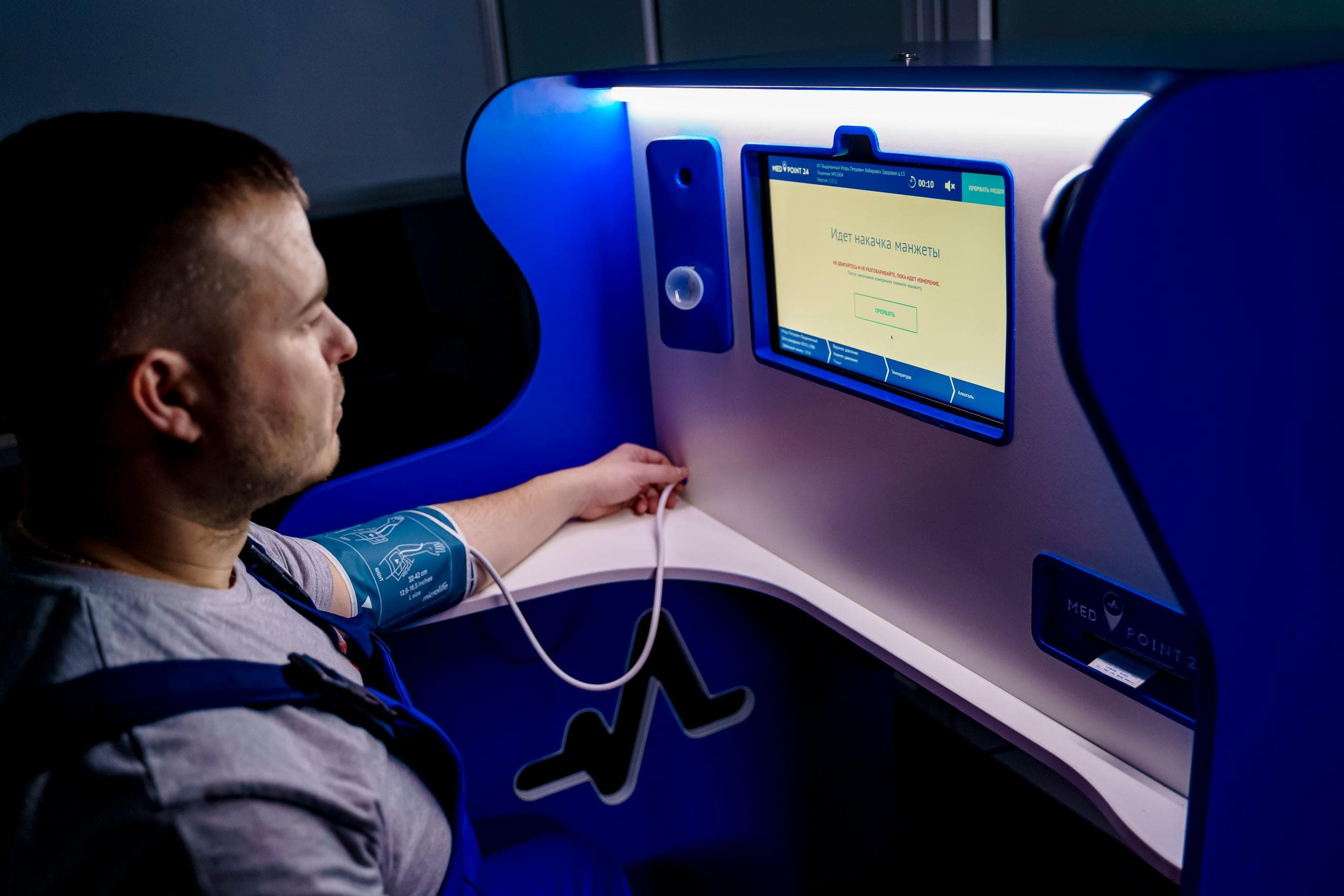
The future of healthcare automation will be increasingly driven by artificial intelligence, predictive analytics, and intelligent workflow orchestration. Emerging technologies are enabling healthcare institutions to move beyond simple task automation toward more adaptive and interconnected operational systems.
Future automation solutions may include AI-assisted clinical decision support, fully automated documentation workflows, predictive staffing optimization, and intelligent care coordination systems that proactively identify operational risks before they escalate.
Healthcare institutions are also exploring hyperautomation strategies that combine robotic process automation, AI, analytics, and interoperability platforms into unified operational ecosystems. As these technologies mature, automation will continue reshaping how healthcare organizations manage workflows, allocate resources, and deliver patient care.
Conclusion
Automation solutions are transforming workflows across U.S. healthcare institutions by improving efficiency, reducing administrative burdens, and supporting higher-quality patient care. From scheduling and documentation to billing and care coordination, automated systems help healthcare organizations operate more effectively in an increasingly demanding environment.
By streamlining repetitive tasks and improving operational visibility, automation allows healthcare professionals to focus more on patient outcomes and less on manual processes. Institutions that embrace automation are better positioned to improve workflow efficiency, strengthen compliance, reduce burnout, and deliver more connected care experiences.
As healthcare continues evolving, automation will remain a critical driver of operational performance and long-term sustainability across the industry. Institutions that embrace automation technologies will be better equipped to improve efficiency, support workforce productivity, enhance patient experiences, and adapt to the growing complexities of modern healthcare delivery.
Ready to streamline workflows, reduce administrative burdens, and improve operational efficiency through automation? Book a consultation to explore tailored automation solutions designed to help healthcare institutions create smarter, faster, and more connected healthcare operations.